
The Illusion of Design Photos in Residential Renovation
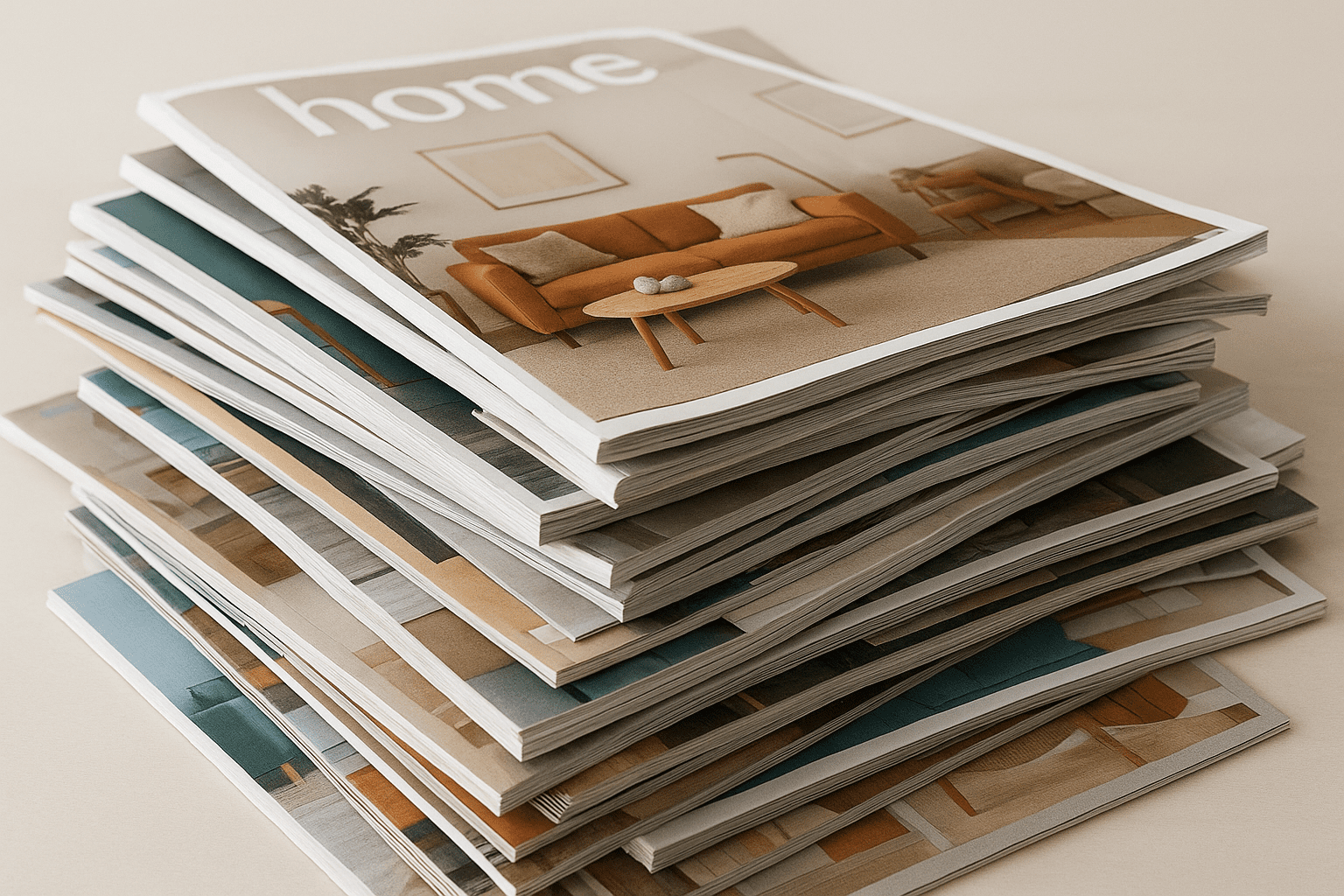
Design magazines and websites can be irresistible. They showcase masterfully executed homes—images that make you want to renovate immediately. But these photos capture only the final layer: furnishings, finishes, and styling.
What you don’t see is the thoughtful architectural planning that creates lasting, functional homes. Without that foundation, no collection of pretty pictures can deliver a home that truly works for your lifestyle.
Inspiration vs. Foundation
Collecting images is a great way to communicate your tastes. I love beautiful photographs too—you can see that on my Instagram—and keeping an idea board or scrapbook can be useful. But while inspiration photos spark ideas, the process must start with custom home design.
The heart of a home lies in functional planning: a floor plan that supports your daily life, spaces that flow naturally, and rooms balanced in proportion and scale.
Asking the Right Questions
When we begin designing a residential renovation or apartment remodel, the conversation starts with you. Together we explore questions like:
-
What’s missing from your home today?
-
How should rooms connect—or remain separate?
-
Where is the quietest location for bedrooms?
-
Do you want views of a garden or green space?
These questions lead to design solutions that photographs can’t convey. Spatial qualities—proportion, rhythm, and scale—create moods that make a home feel cozy, expansive, or serene.
In many Manhattan apartment renovations, the success of a project has very little to do with the finishes visible in photographs. The most important architectural decisions often cannot be seen directly: the alignment of openings between rooms, the relationship between natural light and circulation, the placement of storage, or the proportion of a room after walls have been reconfigured. These spatial decisions shape how a home feels and functions long before furnishings or decorative elements are introduced.
The Role of an Architectural Designer in Custom Home Design
An architectural designer guides you through every step, turning your goals into a clear, buildable plan. While colors, wall treatments, and furniture can change over time, the underlying architecture—the true soul of the home—must be carefully established from the beginning.
Choosing a designer you trust is essential. Reviewing past projects shows how a designer interprets client needs. The process should feel collaborative, allowing your home to reflect your lifestyle and personality.
More Than Just Pictures
Ultimately, the most successful homes reflect not just your favorite finishes, but your spirit and way of life. A well-designed home grows with you, providing beauty, functionality, and comfort for years to come.
If you’re considering a residential renovation or custom home design, contact me to start the process. Together, we’ll transform inspiration into a home that is both enduring and uniquely yours.