




Fifth Avenue Pre-War Apartment Renovation
Architecture & Interior Design: Mark Holmquist Architect
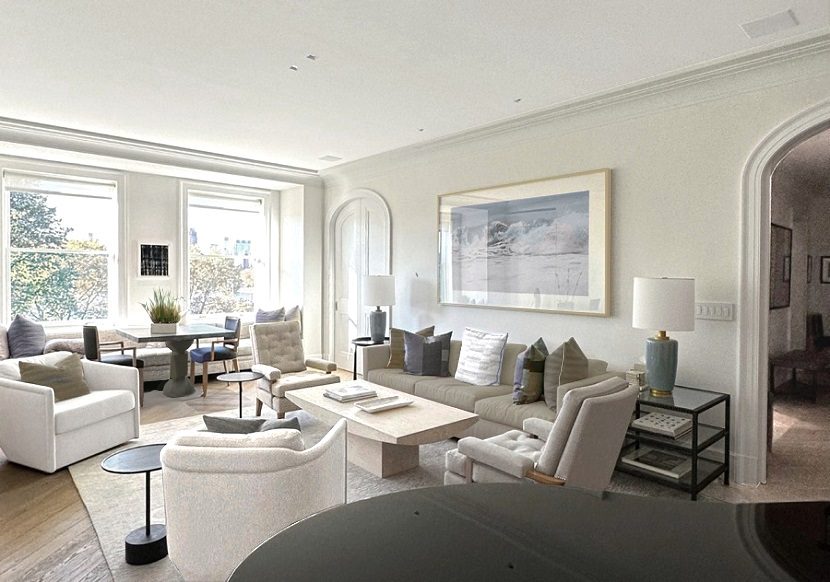
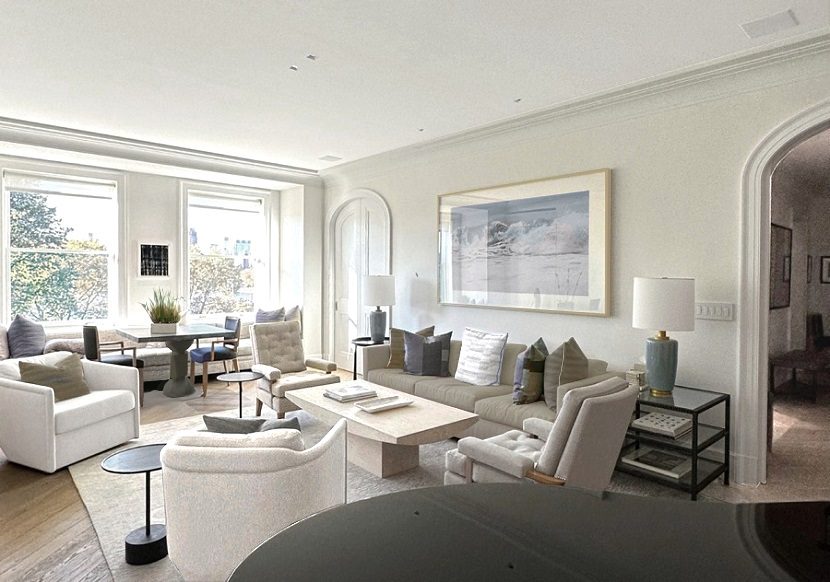
Located in Carnegie Hill on Manhattan’s Upper East Side, this prewar Fifth Avenue apartment renovation reimagines a traditionally compartmentalized residence as a series of larger, more connected spaces organized around light, circulation, and continuity. Working closely with the owner, the design sought not to erase the character of the original apartment, but to extend it—creating interiors that feel quieter, more open, and more natural to inhabit while preserving the scale and proportion associated with historic Upper East Side residences.
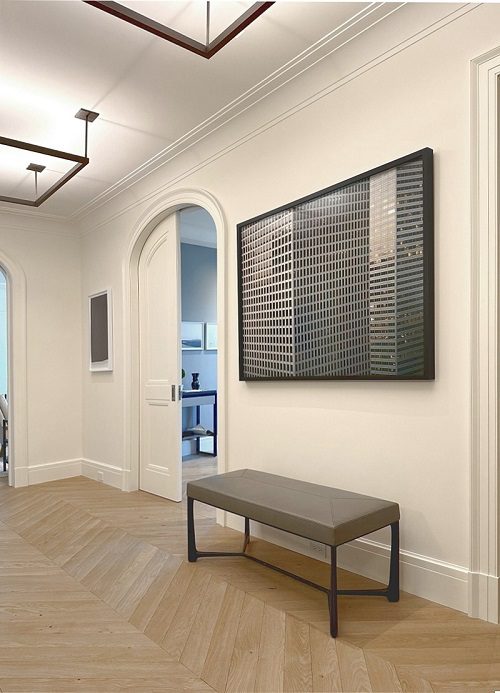
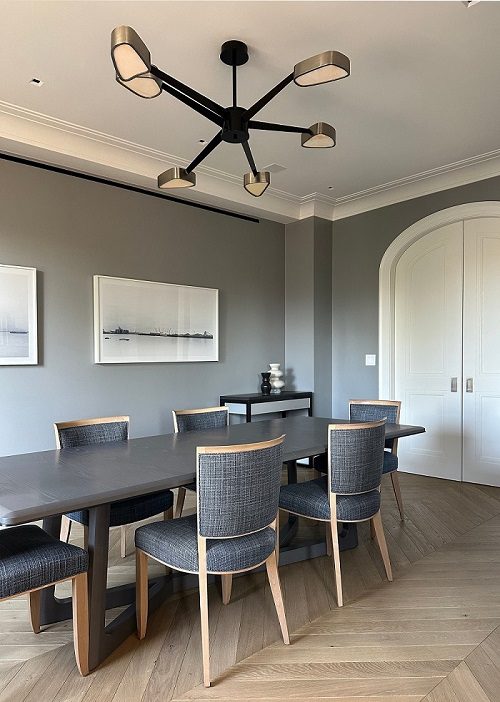
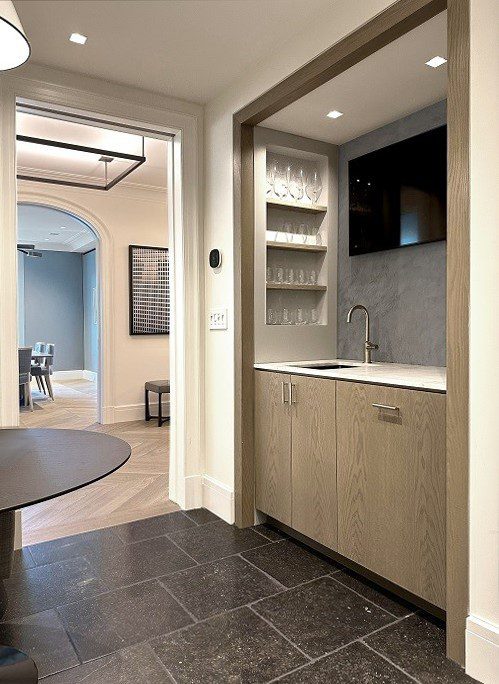
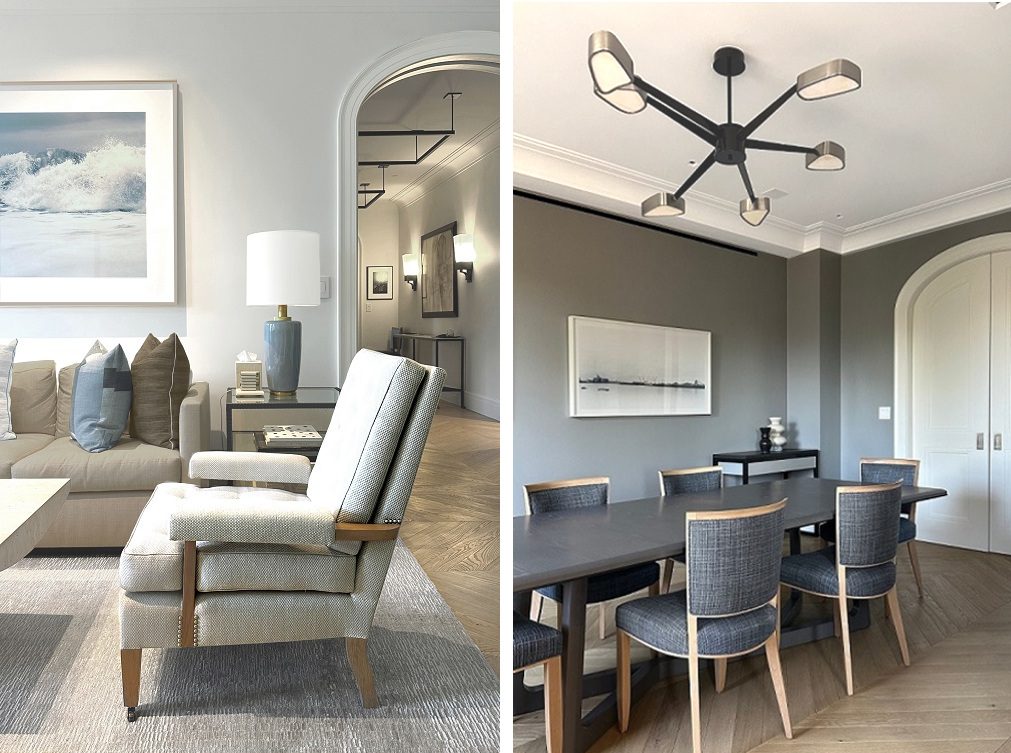
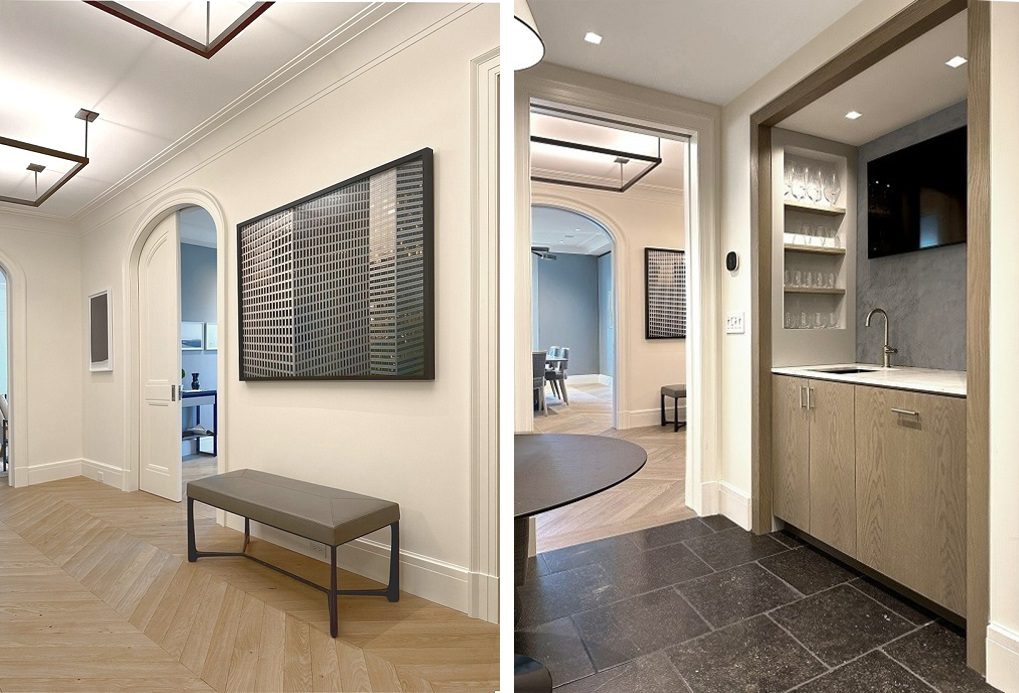
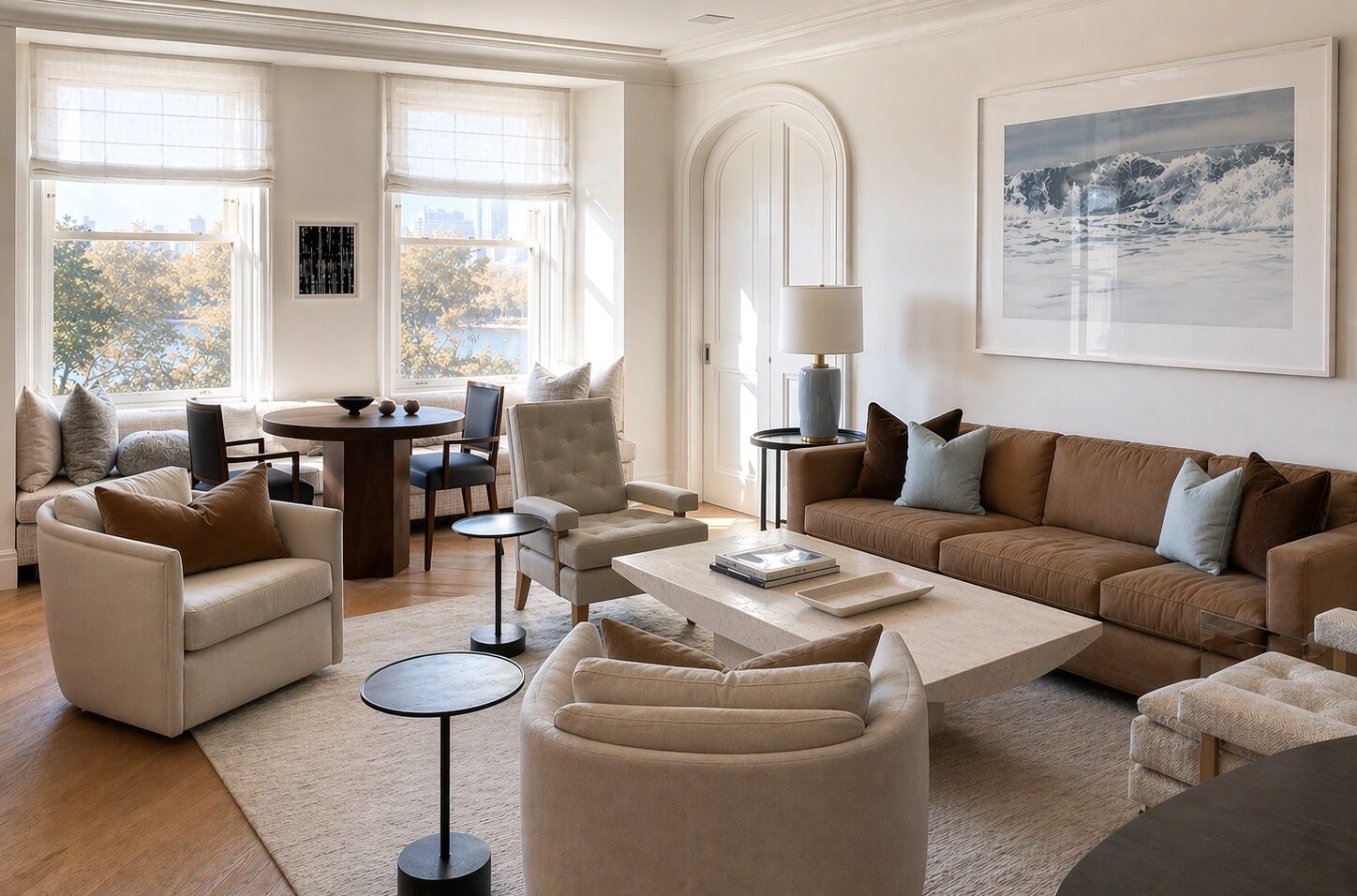
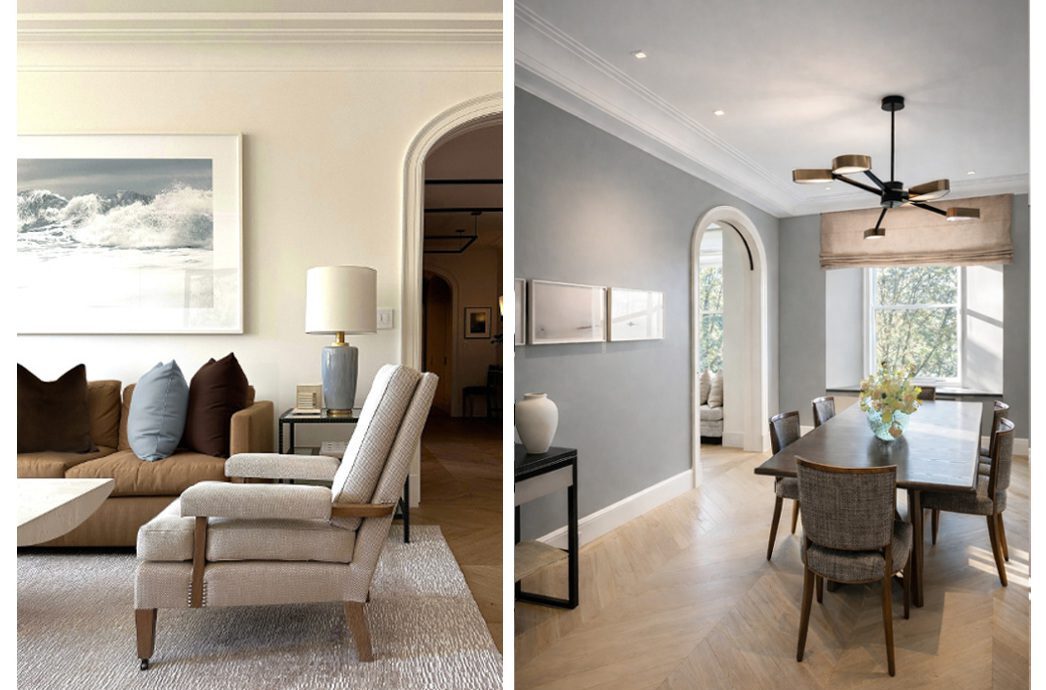
A series of widened openings establishes long interior sightlines across the apartment, improving circulation and clarifying the relationship between public and private spaces. Carefully proportioned rooms maintain the intimacy characteristic of prewar architecture, while controlled openings along the Central Park façade frame views and draw natural light deep into the interior throughout the day.
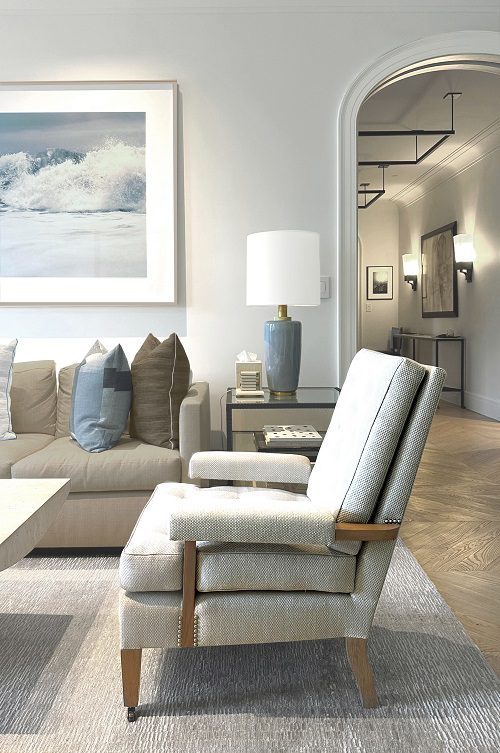
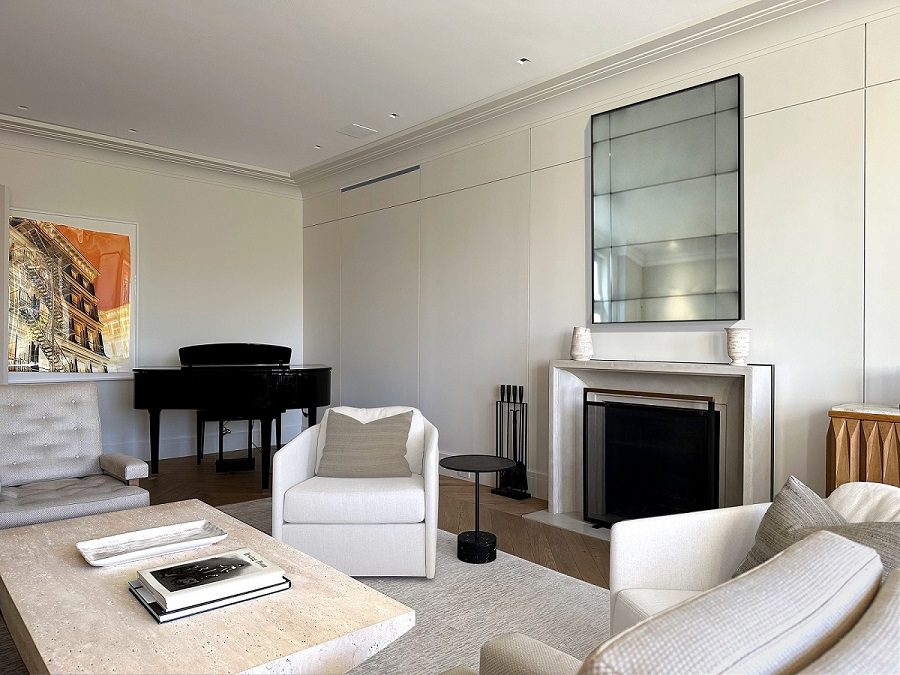
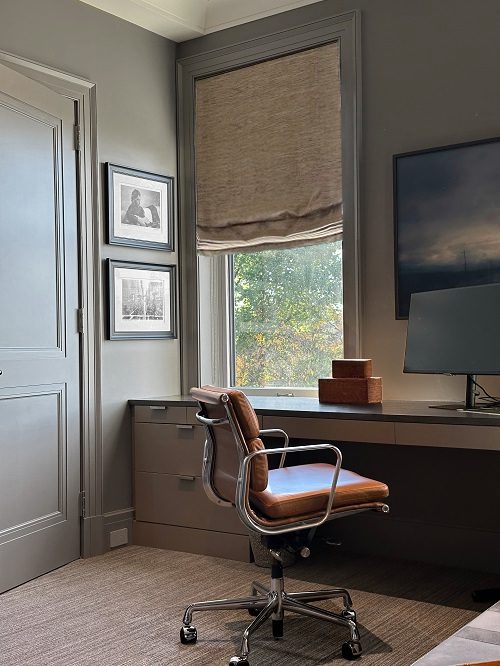
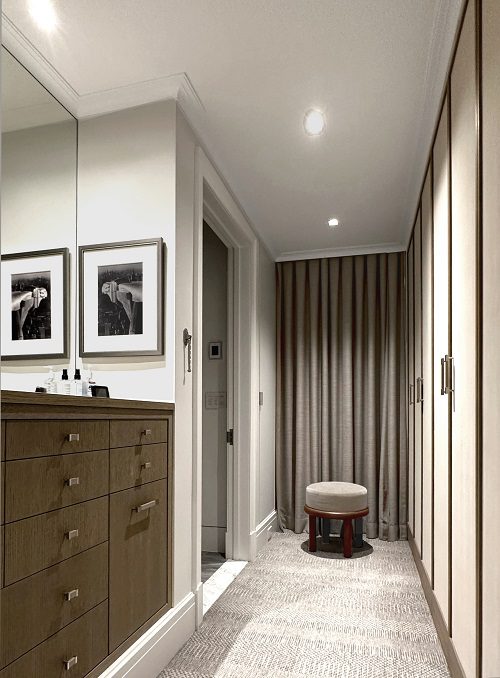
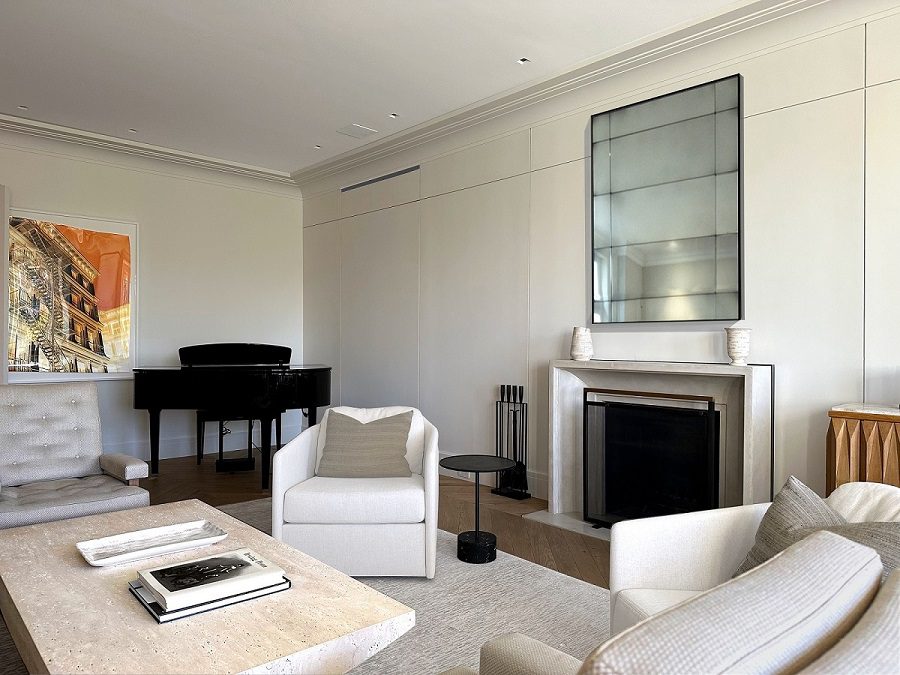
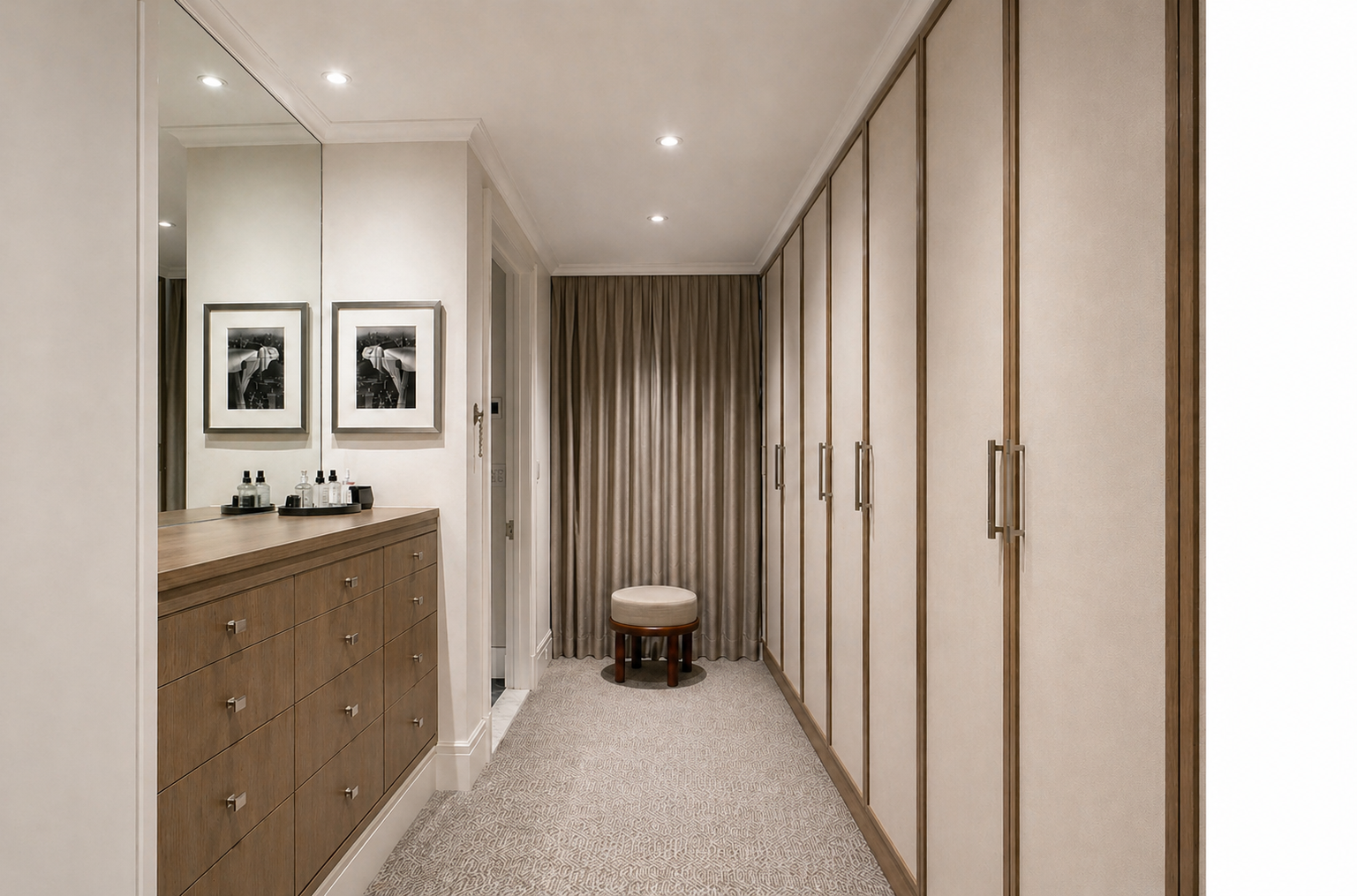
The material palette balances historical reference with contemporary restraint. Herringbone oak floors, traditional moldings, and detailed millwork recall the original architecture of the building, while elements such as the sculptural concrete fireplace surround introduce a quieter contemporary counterpoint. Custom cabinetry and integrated furnishings were designed as part of the architecture itself, reinforcing continuity throughout the renovation.
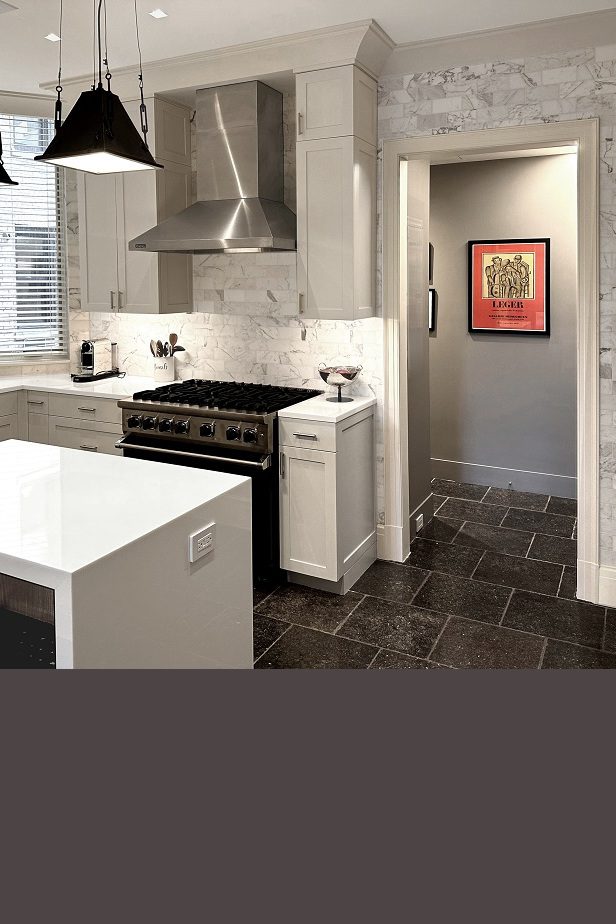
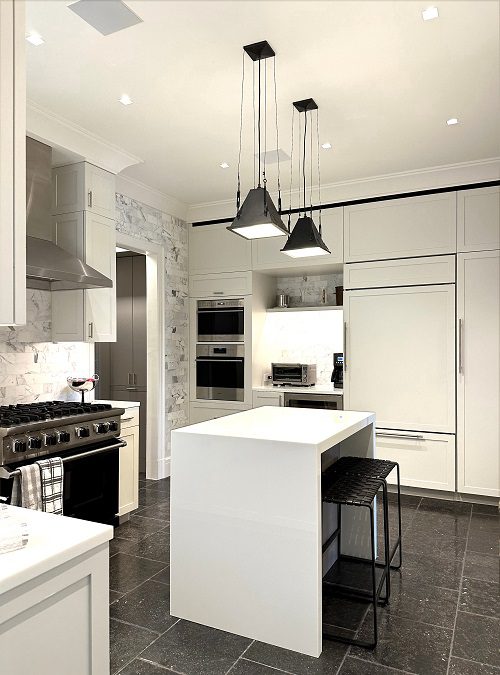
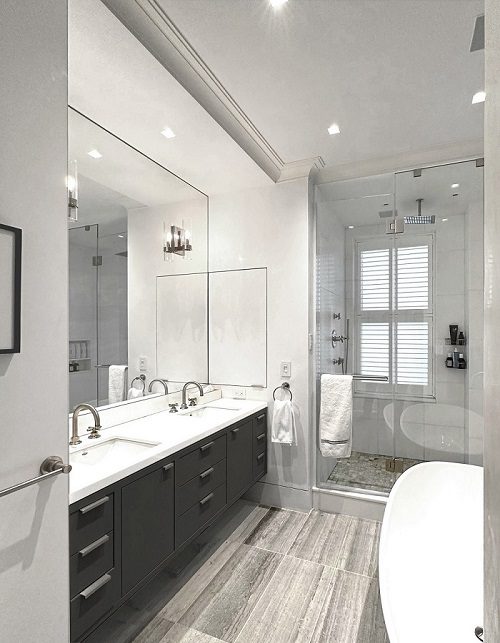
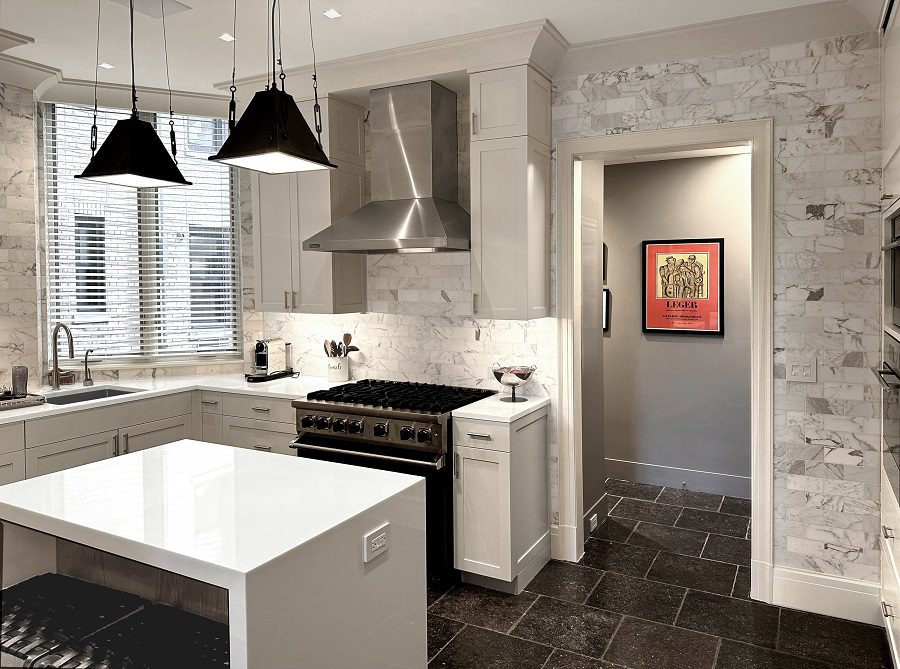
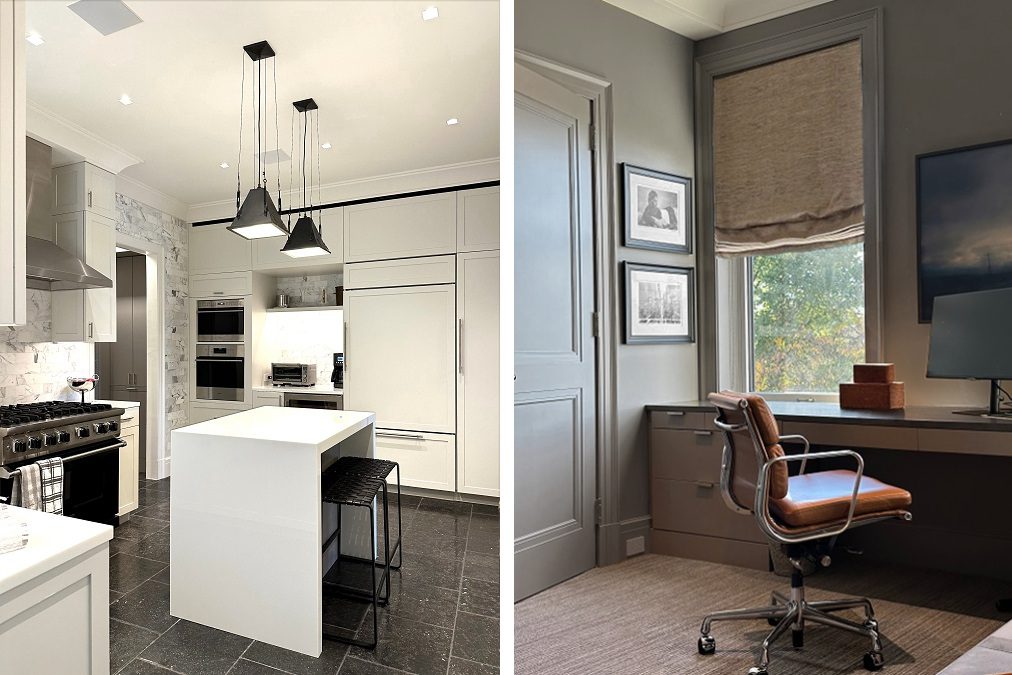
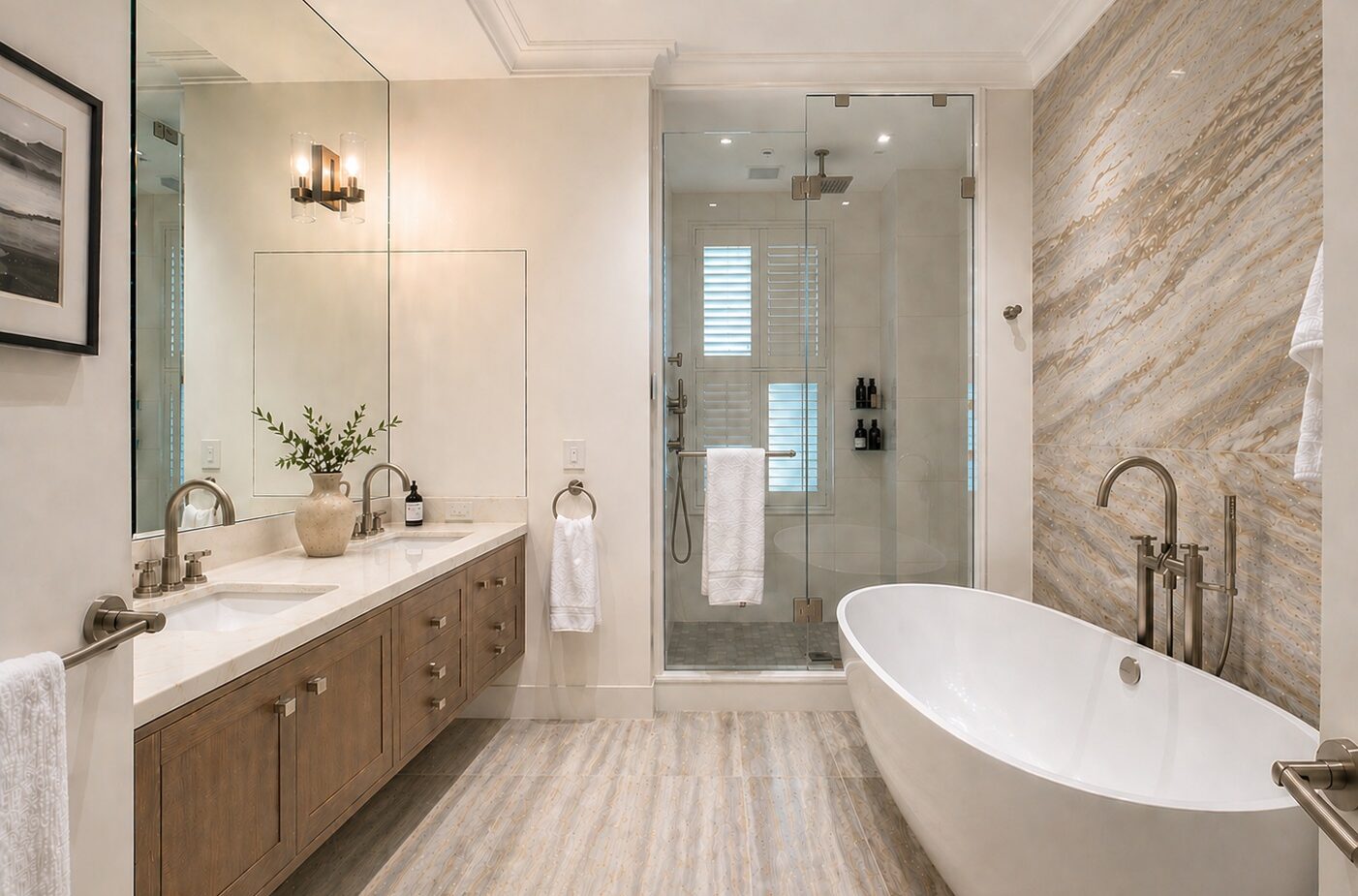
As with many prewar co-op renovations on Fifth Avenue and throughout Manhattan’s Upper East Side, the project required integrating contemporary mechanical systems, updated lighting, and modern kitchen and bath infrastructure within the constraints of the original building. These interventions were carefully concealed within the architecture in order to preserve the calm proportions, material richness, and sense of permanence associated with historic New York apartments.
The owner’s photography collection became an important part of the final composition, introducing texture, scale, and a more personal layer to the interiors.
The project reflects an approach to Manhattan apartment renovation that values proportion, light, material continuity, and architectural restraint—preserving the identity of the original prewar residence while adapting it to contemporary life.