
Sustainable architecture is often reduced to technology — solar panels, high-performance insulation, efficient mechanical systems. Those elements matter. But true sustainability goes deeper.
I think of sustainable architecture as designing spaces that function with energy efficiency and feel vibrant in their connection to the environment. It includes reducing operational energy — heating, cooling, lighting — but also addressing embodied energy: the cost of producing and transporting materials to a Manhattan job site. Our buildings account for a significant percentage of global energy use, both in daily operation and in material production. Every renovation decision carries environmental weight.
As a residential architect in Manhattan, I see sustainability not as a checklist, but as an ethic — one that integrates performance, material integrity, and human wellbeing.
Sustainable Design Is Not New
Many of today’s “green” principles are rooted in vernacular architecture.
Traditional buildings responded to climate through form:
- Roof pitches shed snow in New England.
- Masonry dominated in the South where clay soil was abundant.
- Northern homes centralized fireplaces to retain heat.
- Southern homes placed fireplaces on exterior walls to release it.
Form followed climate long before mechanical systems existed.
The modern green architecture movement gained momentum in the 1960s and 1970s in response to the energy crisis and urban pollution. Architects began studying insulation performance, passive solar orientation, and how materials respond to heat and cold. This ultimately evolved into today’s measurable energy performance standards and rating systems such as U.S. Green Building Council’s LEED certification program.
Today’s sustainable architecture blends traditional wisdom with technological precision.
What Sustainable Architecture Means Today
In my work — particularly in Manhattan apartments and townhouses — sustainability operates across five key categories:
1. Energy Efficiency
- Optimized insulation
- Air sealing in prewar construction
- High-performance windows
- Passive solar awareness
- Natural ventilation strategies where possible
- Renewable integration when feasible
In New York City, energy efficiency is no longer optional. New York City Local Law 97 places emissions caps on large buildings, increasing pressure on co-ops and condos to improve performance. Thoughtful renovations contribute to long-term compliance and reduced operational costs.
2. Water Conservation
- 1.28 GPF toilets
- Aerated low-flow faucets
- Efficient shower fixtures
- Graywater reuse (where building systems allow)
- Rainwater capture in townhouse settings
Even in dense urban environments, reducing water consumption meaningfully lowers building resource use.
3. Sustainable Materials
This is where I place particular emphasis in my residential practice.
- Locally sourced materials
- Reclaimed wood
- Recycled glass composites
- Salvaged stone
- Locally fabricated millwork
- Vintage furniture integrated into built-ins
Material selection affects embodied carbon significantly. Using reclaimed or regional materials reduces transportation emissions while adding narrative depth and authenticity to interiors.
Bamboo, for example, is rapidly renewable and durable. Reclaimed marble can be re-cut into mosaics. Salvaged wood floors carry history forward.
In Manhattan renovations — where demolition waste can be substantial — reuse is both environmentally responsible and aesthetically powerful.
4. Biophilic Design
Biophilic design is about reconnecting interior life with nature.
- Maximizing natural light
- Framing views
- Using organic materials
- Layering tactile finishes
- Creating visual and physical proximity to greenery
In a dense city, even a framed glimpse of trees can shift how a space feels.
5. Resilience and Adaptability
Sustainability also means designing homes that endure.
- Flexible layouts
- Multi-functional rooms
- Millwork that adapts as children age
- Bathrooms that can accommodate aging-in-place
- Durable materials that age beautifully
A home that avoids premature renovation is inherently more sustainable.
Global Examples of Sustainable Architecture
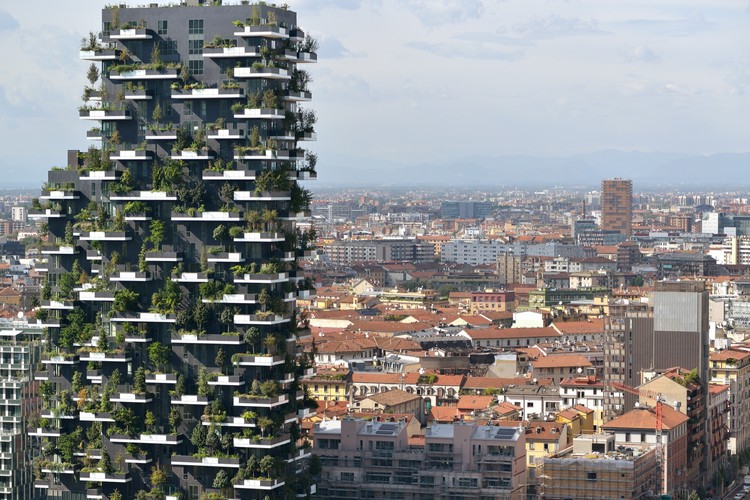
Bosco Verticale — Milan, Italy


4
Designed by Stefano Boeri Architetti, the Bosco Verticale integrates over 900 trees and thousands of plants into two residential towers. The vegetation improves insulation, air quality, and biodiversity within a dense urban setting.
505 State Street — Brooklyn, New York
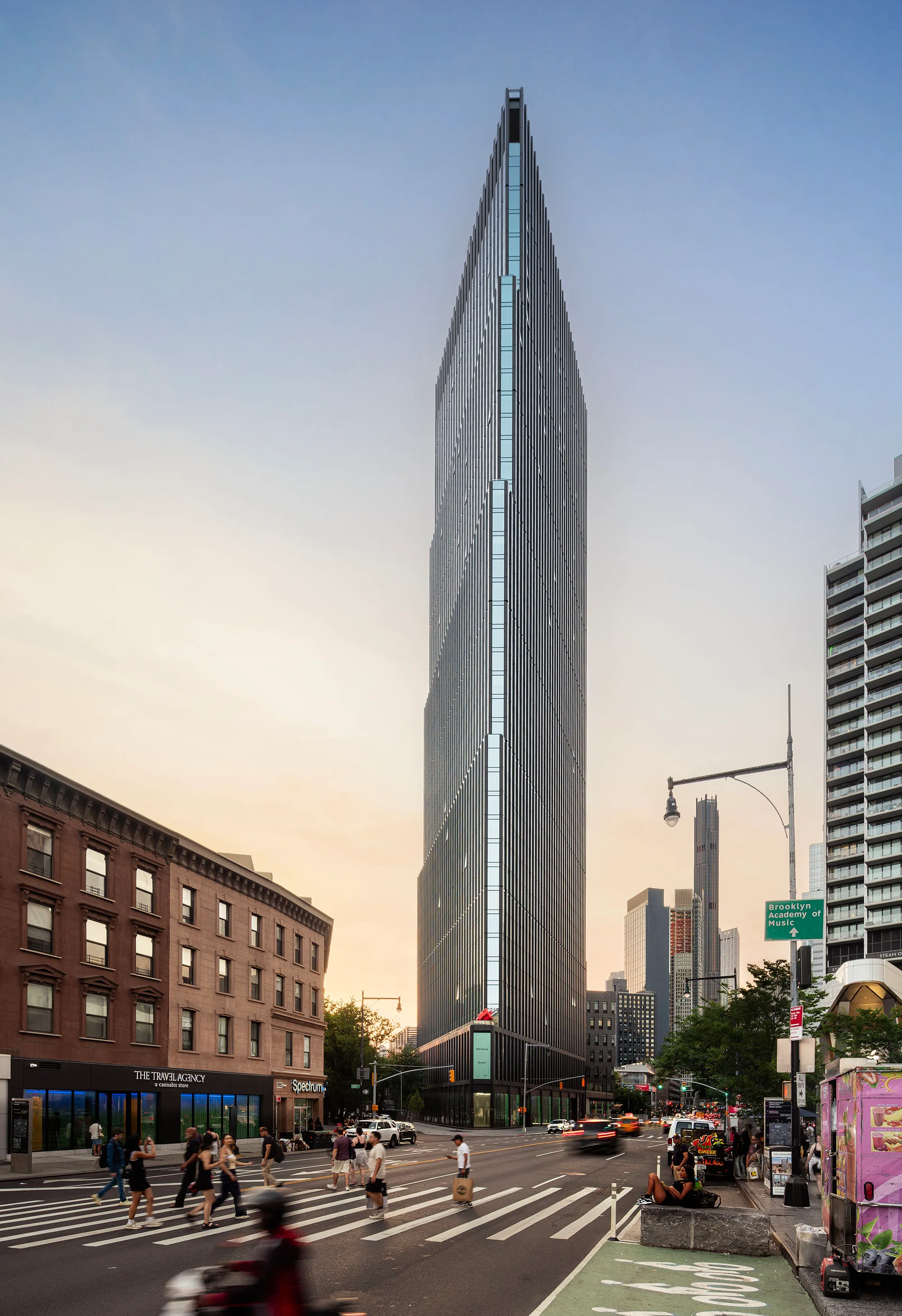
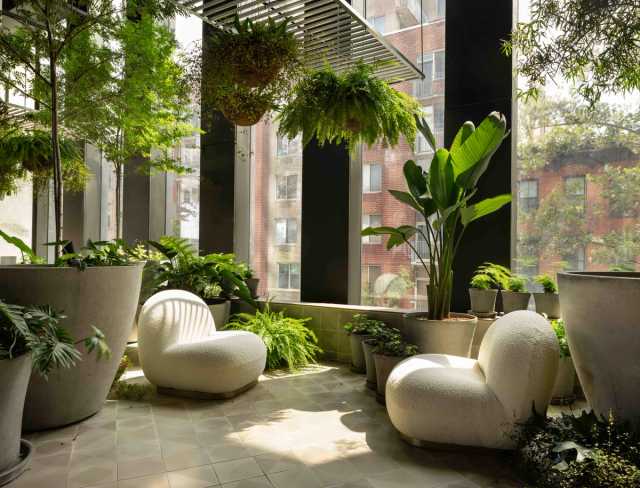
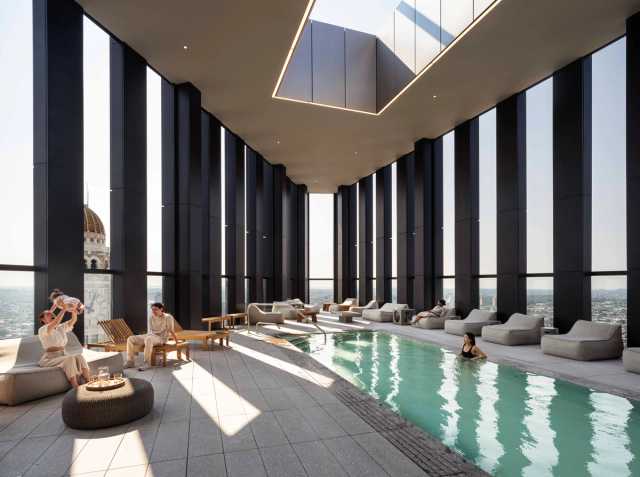
505 State Street incorporates energy-efficient systems and green roofing strategies — a response aligned with evolving NYC sustainability requirements.
Pixel Building — Melbourne, Australia


4
Designed by Studio 505, the Pixel Building is a carbon-neutral office building using solar energy, rainwater harvesting, and advanced environmental systems to achieve near-zero energy performance.
Applying Sustainable Principles to Manhattan Renovations
Sustainability is not reserved for large-scale institutional buildings.
As a LEED-certified architect, I apply the same rigor to residential work in Manhattan — particularly in co-op and condo renovations where constraints are real and precision matters.
In a recent apartment renovation overlooking Central Park, we:
- Installed reclaimed local floorboards in a herringbone pattern
- Used a natural wax finish to preserve tactile authenticity
- Repurposed salvaged stone for kitchen flooring
- Added insulation within allowable exterior wall assemblies
- Installed high-performance windows
- Reoriented built-in seating and desks to maximize park views
- Introduced secondary openings along exterior walls to capture more daylight
The result was not “eco-aesthetic.” It was timeless.
The material choices grounded the apartment in place. The orientation toward light strengthened the connection to the park. The sustainability was both measurable and experiential.
Sustainable Architecture Is Human-Centric
Ultimately, sustainability is about people.
Natural light improves wellbeing. Flexible layouts support families as they grow. Durable materials reduce waste. Local sourcing strengthens community economies. Energy efficiency lowers operating costs.
Sustainable design does not compromise beauty. It refines it.
In Manhattan — where density challenges our connection to nature — thoughtful renovation becomes an opportunity to restore balance.
Small choices compound:
- Reclaimed wood instead of new
- Better insulation during renovation
- Flexible millwork instead of fixed-use rooms
- Framing a tree line instead of covering a window
Each decision shapes how a home performs — and how it feels.
Sustainability is not a constraint. It is a framework for living more beautifully and responsibly within our urban environment.