
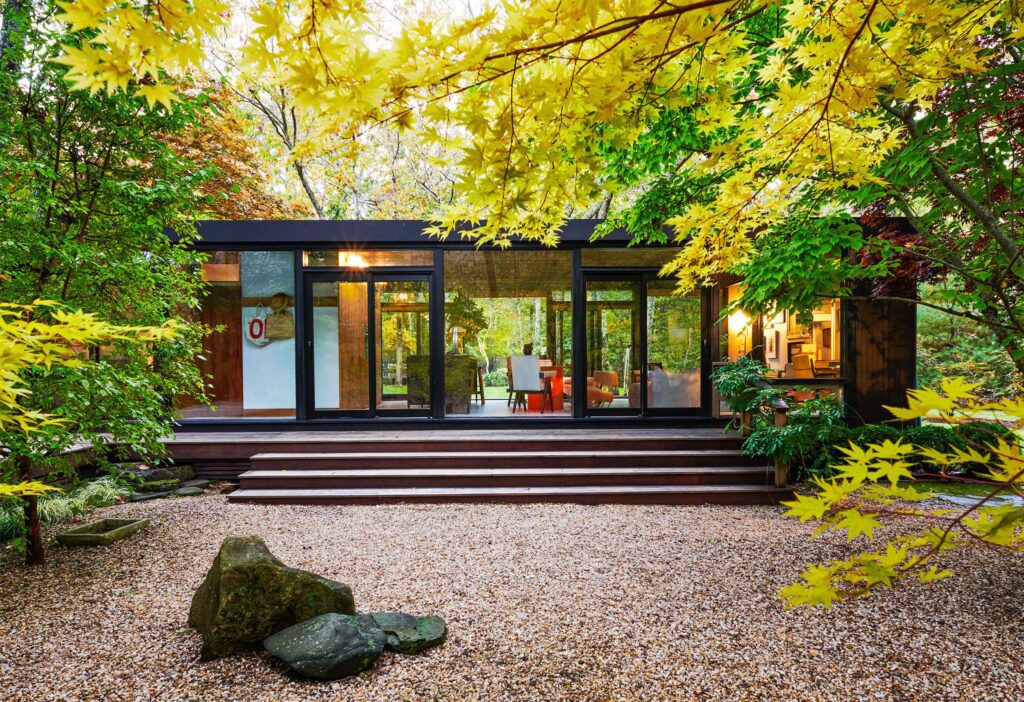
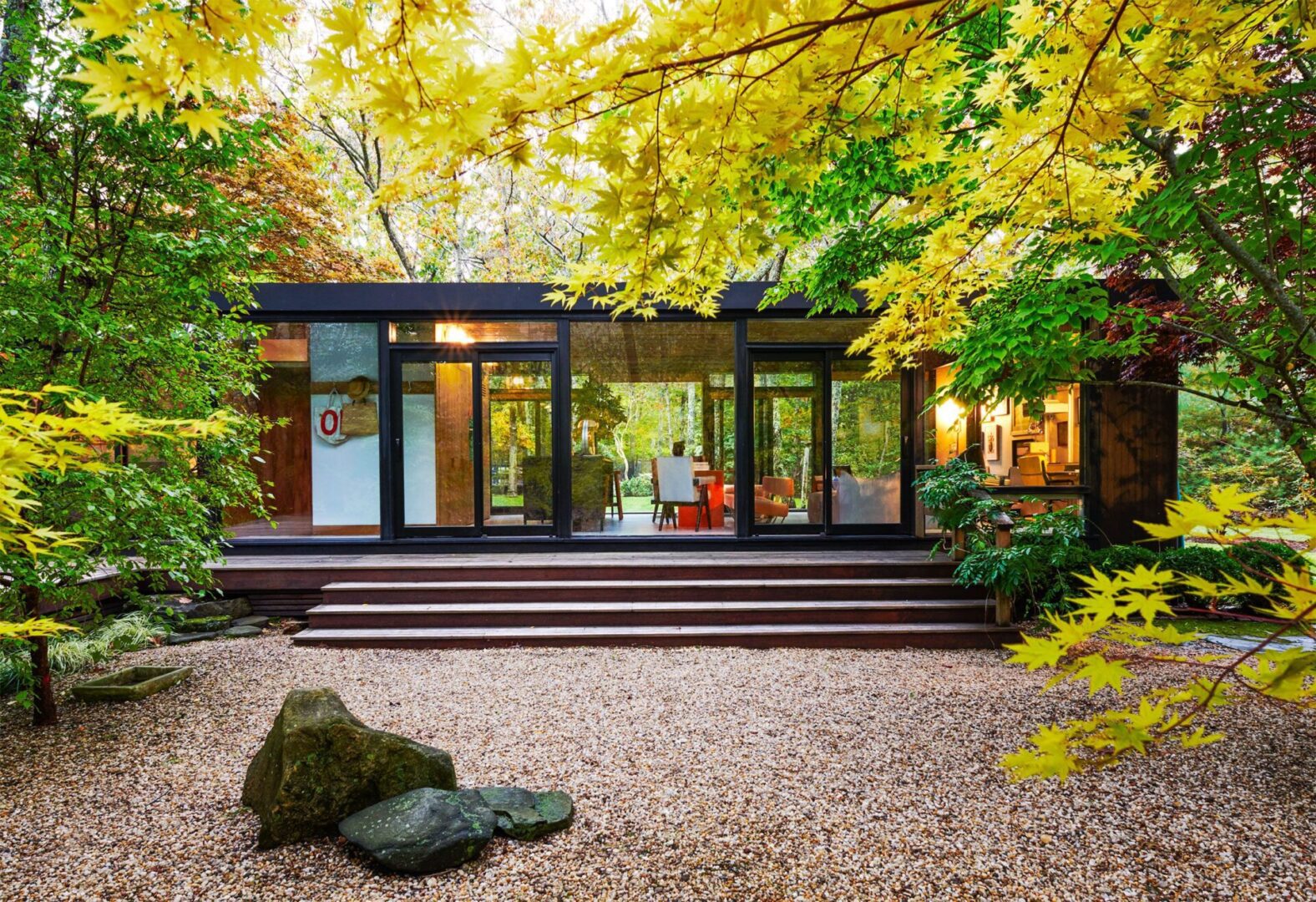
Modern residential architecture is making a strong comeback. Homeowners today are drawn to its clean lines, minimalist interiors, and uncluttered spaces. But modern design isn’t just about aesthetics—it’s about creating homes that feel open, functional, and deeply connected to their surroundings.
The Roots of Modern Architecture
Modern residential architecture first emerged in the early 20th century, driven by visionary architects of the Bauhaus movement, including Mies van der Rohe, Walter Gropius, and Le Corbusier. In the United States, Frank Lloyd Wright brought his own unique approach, emphasizing harmony with nature and site-specific design.
Bauhaus architects embraced the machine age, exploring new technologies and materials. Columns replaced structural walls, creating open floor plans and walls of glass, offering flexibility and light-filled interiors. Wright, on the other hand, designed homes like Fallingwater—anchored to their site, in dialogue with natural surroundings, and celebrating the sensory beauty of water, stone, and light.
Simplicity for Modern Living
In today’s hectic world, homeowners crave spaces that feel calm and uncluttered. Modern design offers just that: clarity, balance, and tranquility. Clean lines, simple color palettes, and well-proportioned rooms create an immediate sense of harmony. By incorporating natural materials—wood, stone, and glass—modern homes connect residents to the rhythms of nature, reducing stress and improving well-being.
Functionality Meets Style
Open floor plans are a hallmark of modern residential architecture—and for good reason. These flexible spaces accommodate today’s busy lifestyles, making homes multifunctional without feeling crowded. Kitchens merge seamlessly with living areas, dining spaces are integrated, and functional islands double as casual work or gathering spots.
Modern cabinetry trends emphasize sleek furniture-like design, with appliances fully integrated to disappear into the background. Every element serves a purpose without sacrificing style. For families juggling work, school, and activities, these spaces allow for socialization, supervision, and everyday living without compromise.
Why Modern Architecture Speaks to Us Today
Modern homes are more than just visually striking—they are thoughtfully designed for ease, beauty, and connection. By combining open, functional spaces with simplicity, proportion, and natural materials, modern architecture creates homes that truly enhance daily life.